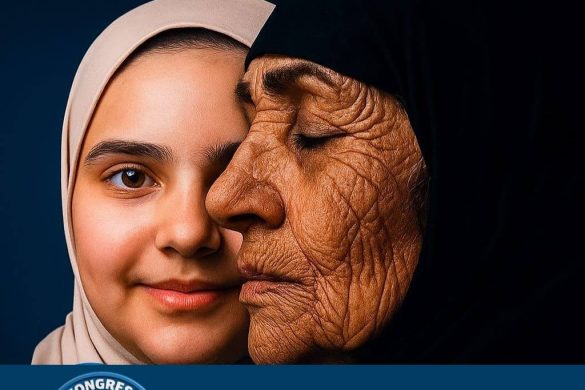
Leadership in times of crisis and emergency is the true measure of human conscience and moral responsibility. It is not tested during periods of comfort and stability, but rather revealed when nations and communities face their most difficult challenges — from wars and natural disasters to humanitarian and health crises.
In those defining moments, a true leader is the one who places humanity at the heart of every decision, leading with wisdom, empathy, and courage.
Leadership in Crisis: Between Management and Moral Responsibility
Leadership during crises is not only about swift decision-making or effective organization; it is about having a clear vision, transparent communication, and the courage to face reality — combined with a deep commitment to protecting human dignity.
An effective leader is one who listens to the voices of those affected, balances human needs with security demands, and places the public good above all personal or political interests.
History has shown that people do not only remember the crises they endured — they remember how their leaders acted during them: how they spoke to the people, how they maintained hope, and how they preserved human dignity despite adversity.
Humanitarian Leadership: The Foundation of Protection and Dignity
Effective leadership in times of crisis is an extension of the fundamental principles of the right to life, dignity, and safety — values enshrined in international humanitarian law.
A true humanitarian leader does not see leadership as power, but as a sacred trust — where the foremost duty is to protect the human being as the highest and most valuable purpose of all policy and action.
Leadership is not merely about organizing events or managing situations; it is an act of compassion and solidarity that restores trust between citizens and institutions — and between one human being and another.
The International Congress SHIELD: A Call to Learn the Art of Humanitarian Leadership
The International Congress SHIELD calls upon all institutions, leaders, and communities to embrace the culture of humanitarian leadership and to invest in continuous learning for crisis and emergency management through specialized programs and initiatives that aim to:
Develop flexible leadership skills grounded in empathy and responsibility.
Strengthen the ability to make quick, value-based decisions.
Empower youth and women to assume leadership roles in humanitarian and relief work.
Promote the culture of “Human First” in planning and emergency response.
Build effective partnerships between governments and humanitarian organizations to unify relief efforts.
The organization emphasizes that leadership is not a privilege or a position of power — it is an ethical and humanitarian commitment that requires sincerity, the ability to listen, and the conviction that protecting human life is the highest standard for every decision.
Human First: The Message of the International Congress SHIELD
The International Congress SHIELD believes that even in the harshest crises, humanity can rediscover the true meaning of leadership.
When leadership is guided by compassion and responsibility, disasters become lessons in solidarity, crises become opportunities for reform, and emergencies become demonstrations of loyalty to the humanitarian mission.
True leadership is not measured by power or position, but by the ability to put the human being first — before politics, before interests, and before everything else.
The International Congress SHIELD
congress@icprfc-shield.org