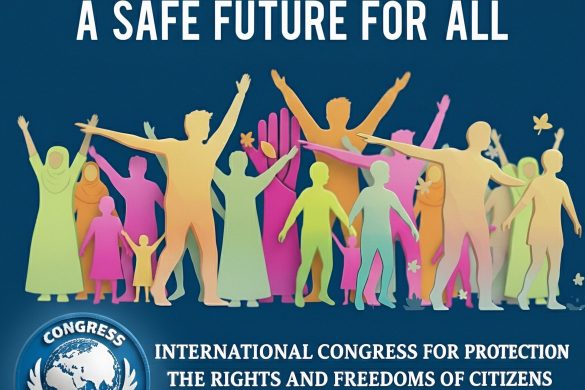
International Congress SHIELD
Today, tourism is more than just a recreational activity or an economic resource. It is a human and civilizational bridge connecting people and an effective tool to enhance cultural understanding, strengthen peace values, respect human rights, and promote acceptance of others. From this perspective, the International Congress SHIELD believes that conscious and responsible tourism represents one of the most important humanitarian pathways to achieve civilizational rapprochement, combat intolerance, eliminate racism and hate speech, and promote a culture of coexistence among nations.
Tourism as a Human and Cultural Right
The Universal Declaration of Human Rights recognises every person’s right to freedom of movement, learning about other cultures, and participating in cultural life. Tourism is a practical expression of this right, allowing individuals to move beyond narrow geographic boundaries to broader human horizons, where they can explore the history, lifestyles, values, and heritage of different peoples.
When tourism is practised with respect for human dignity and the rights of local communities, it helps break stereotypes, reduce prejudices, and create real human dialogue based on mutual respect.
Civilizational Rapprochement and Combating Racism and Hate Speech
In a world witnessing rising conflicts, extremism, racism, and hate speech, cultural tourism becomes a soft humanitarian tool to confront these challenges. Direct interaction between people creates a genuine understanding that goes beyond biased media narratives or inflammatory political rhetoric.
When tourists visit another country, interact with its people, and learn about their traditions, they realise that shared human values—such as dignity, respect, justice, and love for life—transcend differences in religion, language, and skin colour. Tourism thus becomes an effective means of combating racism and rejecting hatred while fostering tolerance and appreciating diversity as a source of human richness, not conflict.
Tourism, Sustainable Development, and Local Community Rights
The International Congress SHIELD emphasises that fair and sustainable tourism must be based on respecting the rights of local communities, protecting cultural and natural heritage, and ensuring fair economic benefits. Tourism cannot be humane if it leads to human exploitation, cultural distortion, or environmental harm.
When responsibly managed, tourism can:
Create decent employment opportunities
Empower women and youth
Support the preservation of heritage sites
Encourage communities to value their cultural identity
Tourism as a Tool for Education and Awareness
The benefits of tourism go beyond economics, extending to educational and awareness roles. Cultural and educational tourism promotes values of tolerance, diversity, and respect for differences, especially among youth, and enhances awareness of human rights and global citizenship.
Through exchange programs, cultural festivals, and heritage visits, tourists transform from mere visitors into “humanitarian ambassadors,” conveying an authentic image of the people they visit and helping to correct misconceptions and combat stereotypes and racism.
A Shared Moral Responsibility
Enhancing the role of tourism in civilizational rapprochement and combating hate requires a shared responsibility among:
Governments and policymakers
Tourism institutions
Civil society organisations
Media outlets
The International Congress SHIELD calls for tourism policies based on:
Respect for human rights
Protection of cultural heritage
Promotion of ethical tourism
Combating all forms of discrimination, racism, and exploitation
Tourism is not a luxury; it is a global humanitarian message. It is a language of peace spoken by people without translation and a civilizational bridge that transcends conflicts and borders. The International Congress SHIELD affirms that investing in conscious tourism is investing in peace, human dignity, and societies free of racism and hatred, built on understanding rather than confrontation, and on acquaintance rather than exclusion.
When tourism is practised responsibly, it brings hearts closer before borders and builds humanity before places.
Issued by:
Media and International Relations Department – International Congress SHIELD