

Media disinformation and the falsification of facts are no longer isolated practices or mere professional errors. They have evolved into systematic tools that directly target human consciousness and the fundamental right to free knowledge and independent opinion-forming. Today, the attack is not limited to land or resources; it extends to the human mind itself, in an effort to subjugate people and control their will by manufacturing false realities and distorting the truth.
The world is witnessing an alarming rise in organised campaigns based on spreading lies, manipulating facts, and mixing truth with rumours. These strategies aim to destabilise societies, weaken their capacity for critical thinking, and undermine their ability to make free and informed decisions. Such methods are exercised through directed media, digital platforms, political propaganda, and the deliberate manipulation of information, ultimately creating collective confusion and eroding public trust in truth.
The distortion of awareness is not a random act but a calculated process designed to strip individuals of their cognitive tools and transform them into passive recipients who are easily influenced. When individuals lose their ability to distinguish between right and wrong, they become incapable of defending their rights or consciously participating in shaping their future. This environment opens the door to authoritarianism, dependency, and the internal fragmentation of societies.
From a human rights perspective, deliberate disinformation constitutes a grave violation of fundamental rights guaranteed by international law, foremost among them the right to knowledge, freedom of thought, and freedom of opinion and expression. These rights are not intellectual luxuries but essential guarantees of human dignity and individual autonomy. Any infringement upon them directly undermines the foundations of democracy and social justice.
In many contexts, disinformation campaigns evolve into instruments of psychological warfare targeting civilians, aiming to weaken their morale and social cohesion before causing material harm. Thus, forms of domination have changed in the modern era. Control no longer relies solely on military force but increasingly depends on dominating minds and constructing misleading narratives — a phenomenon that may be described as intellectual or cognitive colonisation.
In this context, the battle for awareness represents a central pillar in protecting societies. Combating disinformation and moral and social degradation is no longer merely a cultural or intellectual choice; it has become a human rights and humanitarian obligation necessary to safeguard human dignity, protect freedom of thought, and strengthen social cohesion against systematic distortion.
In line with its human rights and humanitarian responsibility, the International Shield Organisation works to confront these challenges through awareness programs and training initiatives that promote critical thinking, monitor disinformation campaigns, and support the right to access reliable information. The organisation also conducts workshops and advocacy campaigns to defend freedom of thought and preserve collective awareness.
Protecting humanity begins with protecting awareness, for a free mind is the foundation of dignity and justice. Awareness and education will always remain the most powerful weapons for safeguarding human beings and building societies capable of resisting deception and shaping a future grounded in truth, freedom, and responsibility.
Media and International Relations Department
International Shield Organisation

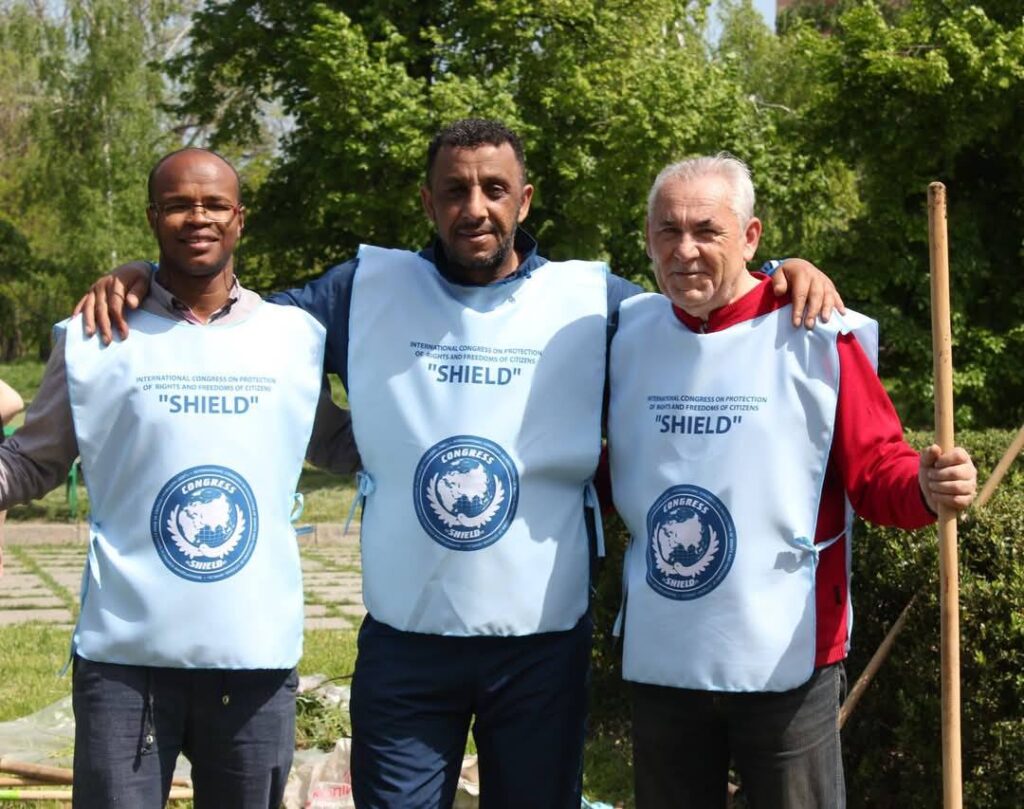
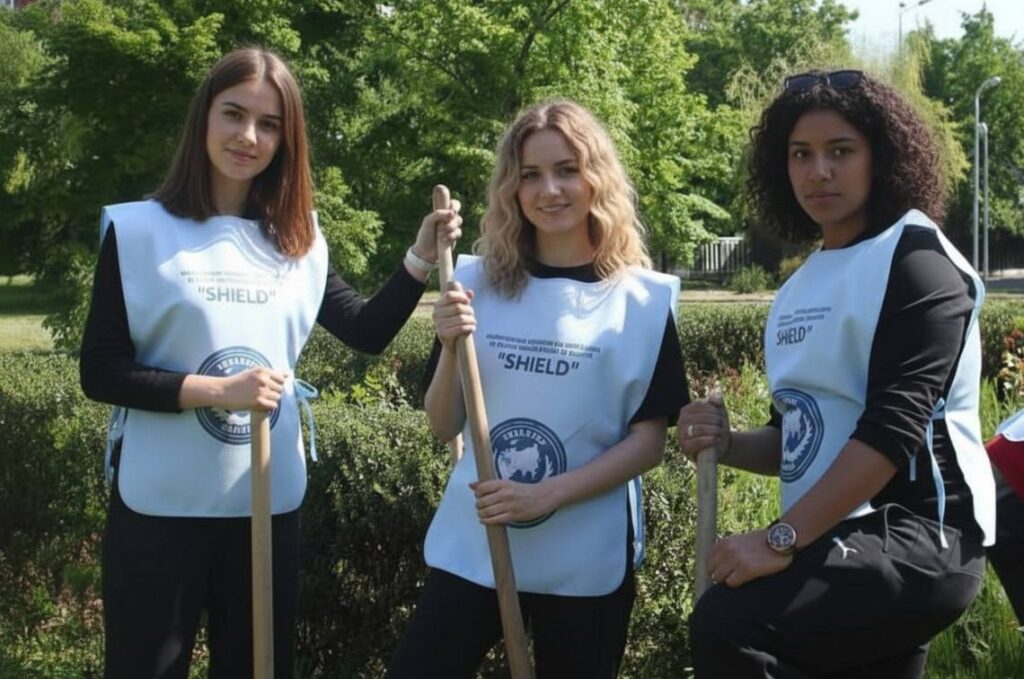
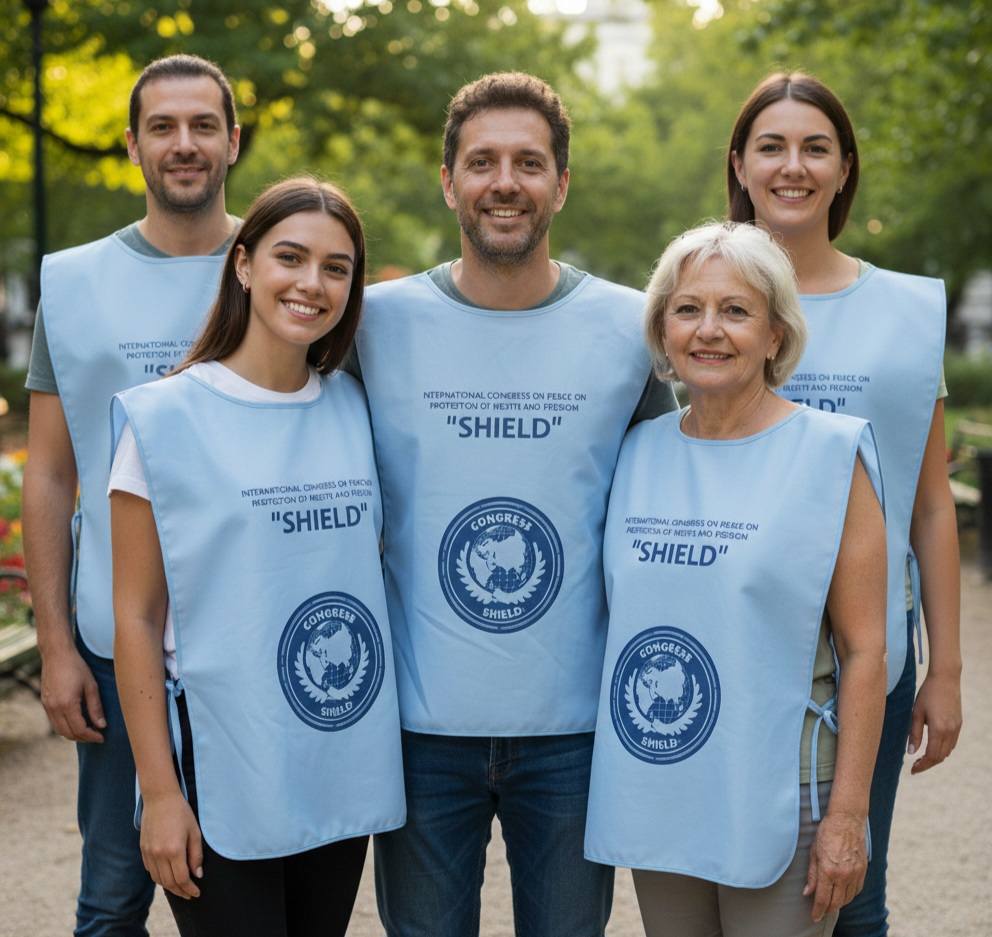
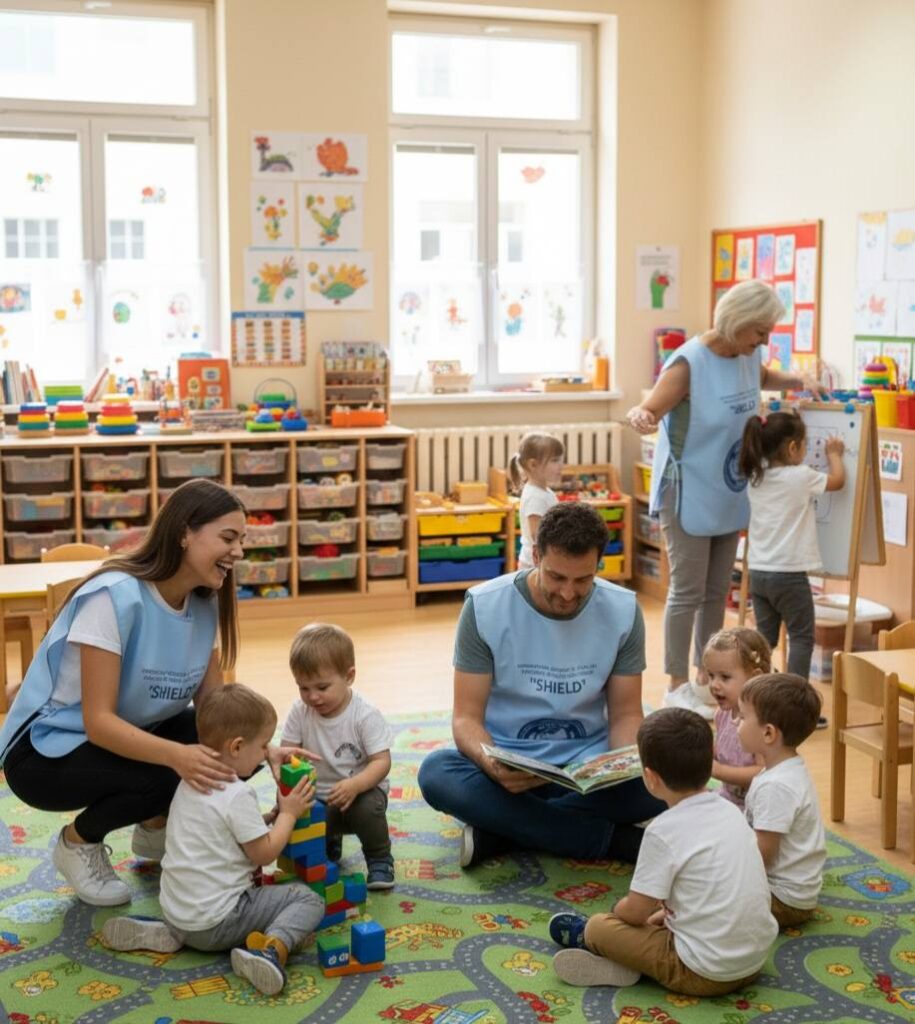
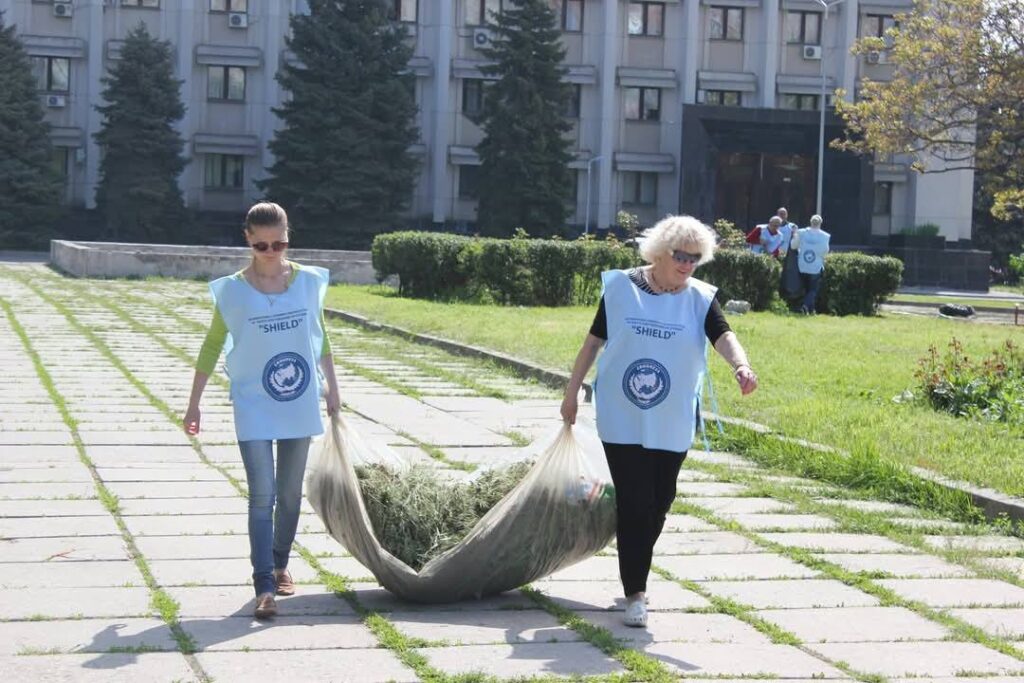
Volunteering is one of the highest human values that reflects the spirit of cooperation and solidarity among members of society. It is a fundamental pillar in building strong and cohesive communities. Volunteers hold a central role in supporting humanitarian and relief efforts, as they offer their time and efforts without expecting any financial reward, driven by a noble humanitarian mission aimed at serving people and protecting their dignity.
Volunteering is the voluntary contribution of effort, time, or expertise to serve others or the community without financial compensation, motivated by humanitarian or ethical reasons. It encompasses various fields such as relief work, health, education, social services, and environmental activities. Volunteering is considered an effective means of contributing to solving societal problems and alleviating the suffering of the most vulnerable groups.
The Importance of Volunteering for the Individual and Society
The importance of volunteering stems from its wide-ranging positive impacts, both on the individual volunteer and on society as a whole. On an individual level, volunteering helps develop personal and professional skills, enhances self-confidence, and provides practical experience, in addition to reinforcing values of giving, belonging, and social responsibility.
At the societal level, volunteering strengthens the spirit of cooperation and solidarity, fills gaps that official institutions may be unable to cover, and supports developmental and humanitarian efforts, leading to a more stable and cohesive society.
The Role of the International SHIELD Organization in Reviving the Spirit of Initiative and Volunteering
The International SHIELD Organization continuously strives to revive the spirit of initiative and volunteering in society, based on its deep belief that people are the محور of development and the true agents of change. The organization works to instill a culture of volunteerism by attracting volunteers, training and qualifying them, and empowering them to actively participate in various humanitarian programs and initiatives.
The International SHIELD Organization is keen to provide a motivating volunteer environment based on teamwork, the development of a sense of responsibility, and the promotion of values of giving and belonging. It also contributes to discovering young people’s potentials and directing them toward organized humanitarian work, which enhances their spirit of initiative and encourages positive participation in serving the community.
Through training programs, awareness campaigns, and field activities, the organization enables volunteers to turn their ideas and initiatives into tangible reality that serves vulnerable groups and contributes to effective humanitarian response during crises and emergencies.
The Role of Volunteers in the International SHIELD Organization
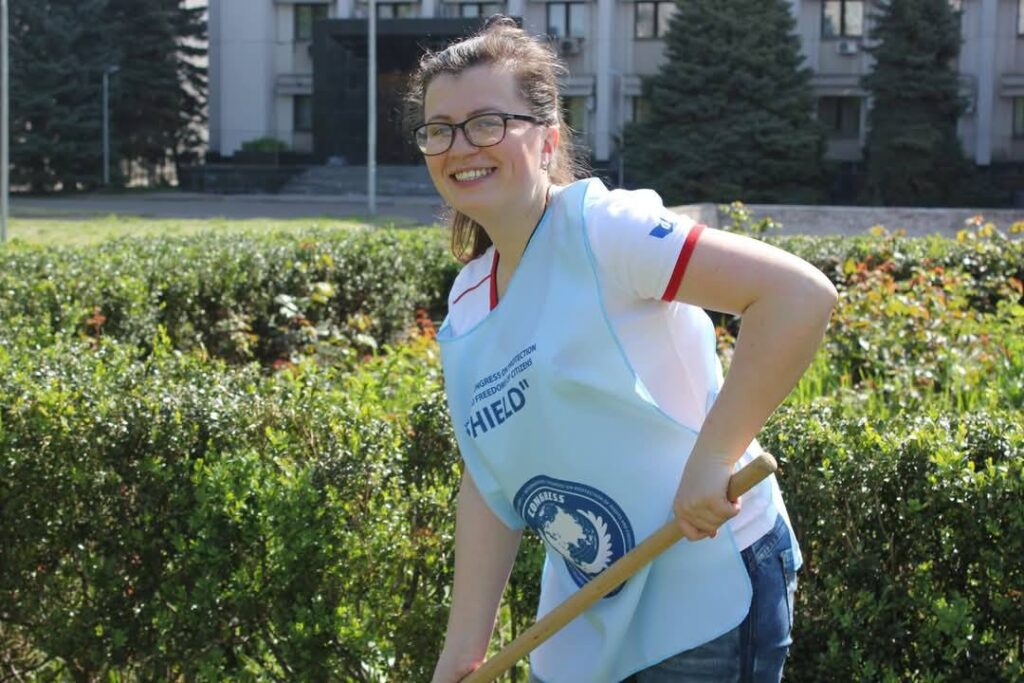
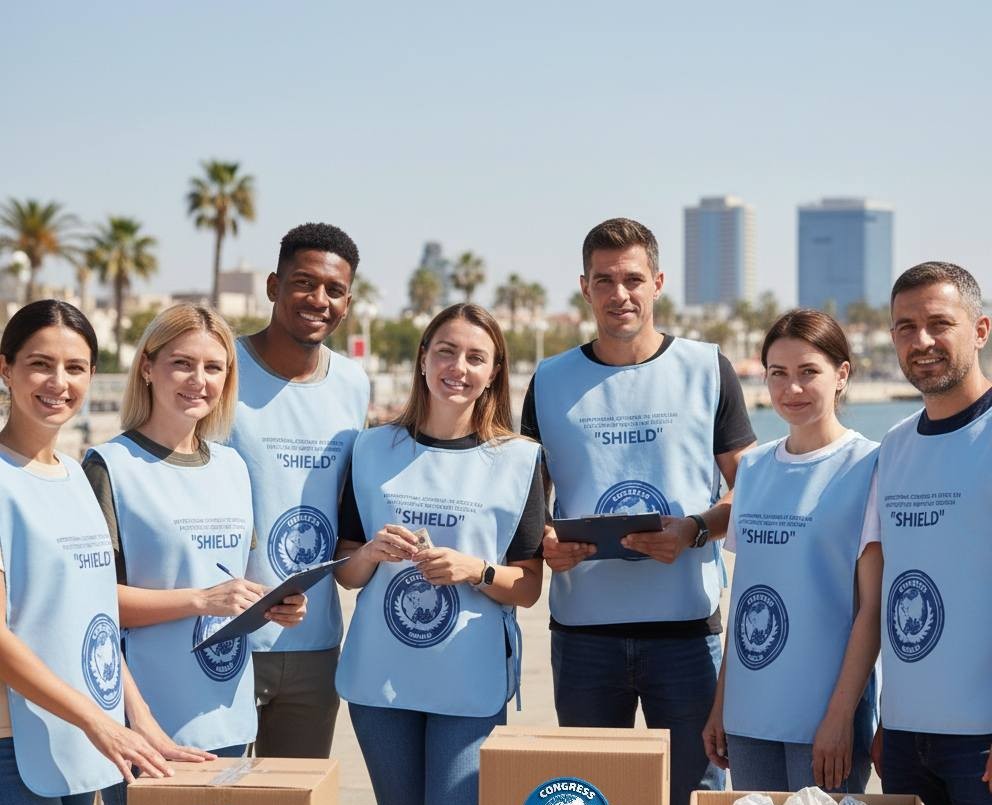
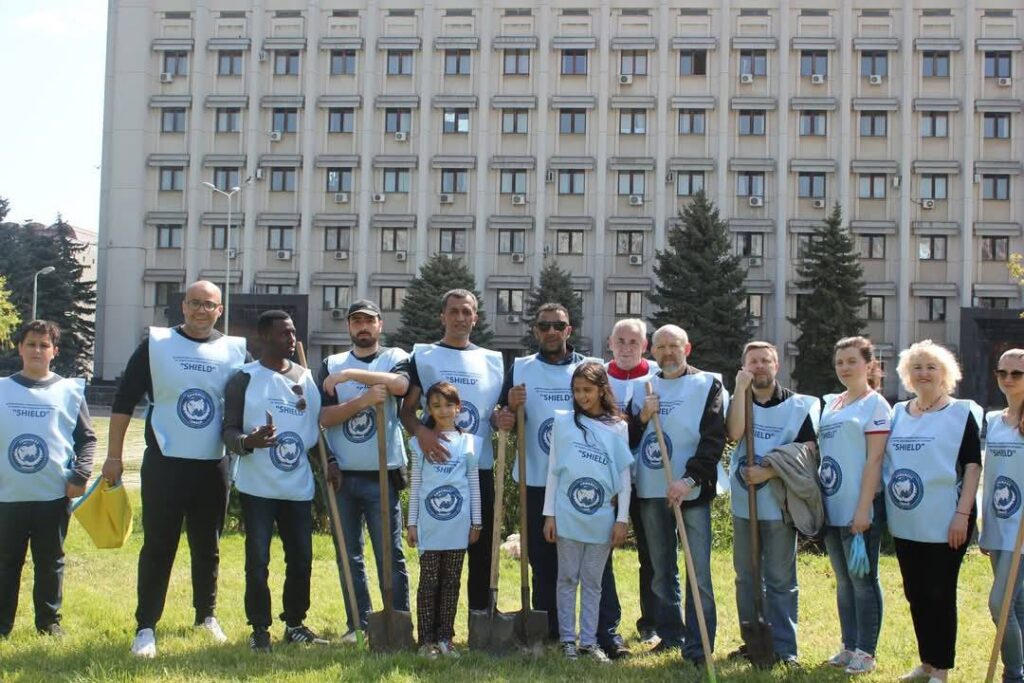
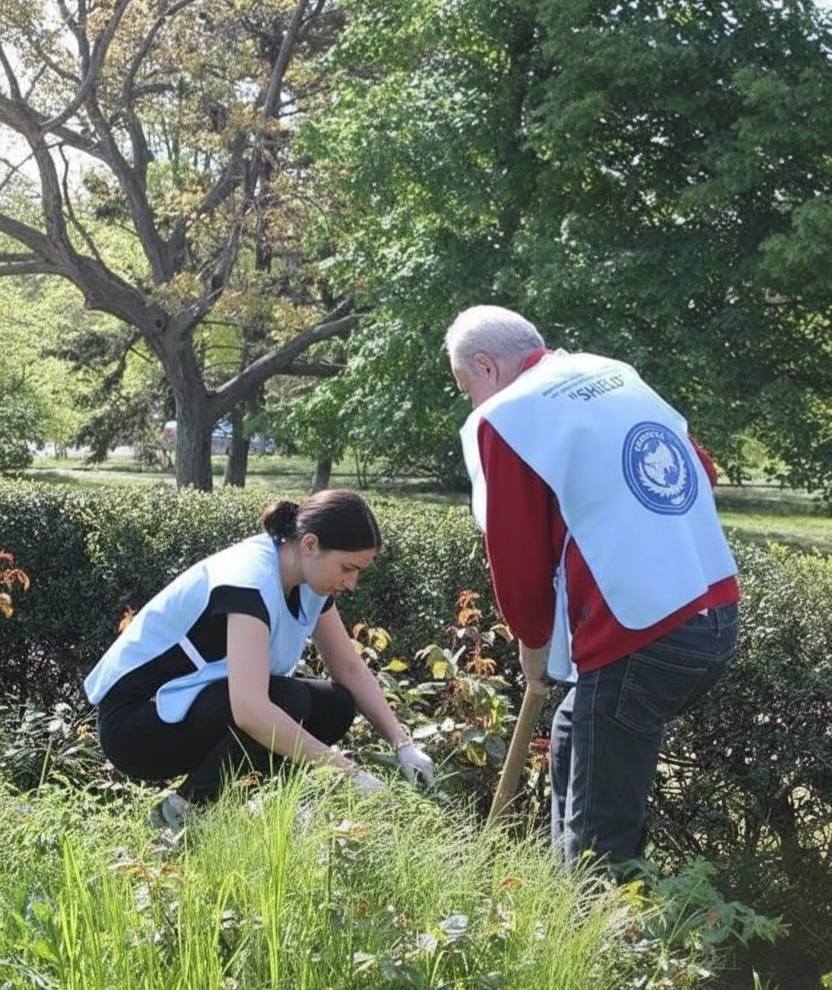
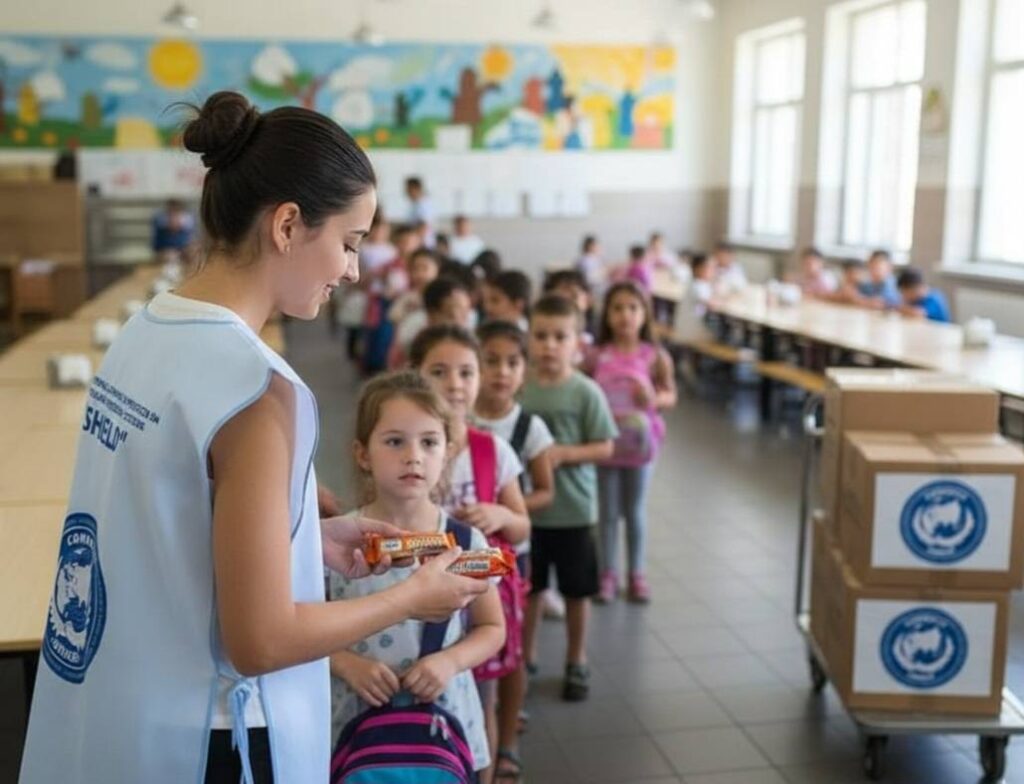
The International SHIELD Organization plays a prominent humanitarian role in the fields of relief and community support, and volunteers are considered the backbone of the success of its programs and activities. They participate in implementing humanitarian initiatives, delivering assistance to those affected, contributing to awareness campaigns, and carrying out fieldwork during emergencies and crises.
Volunteers of the International SHIELD Organization embody the meanings of sincerity and dedication, working with a team spirit, adhering to universal humanitarian principles, and striving to create a real positive impact in the lives of individuals and communities served by the organization.
The Importance of Supporting Voluntary Work
Supporting and developing volunteer work is an investment in people and society. This requires spreading a culture of volunteering, providing training and qualification for volunteers, and recognizing and motivating their efforts, in order to ensure the sustainability and effectiveness of volunteer work.
Volunteering remains a noble humanitarian message, and volunteers are the beating heart of any successful humanitarian effort. Through the sincere efforts of the volunteers of the International SHIELD Organization, the meanings of giving and sacrifice are embodied, and hope is reinforced in building a better future based on cooperation, compassion, and shared responsibility toward humanity and society.
Issued by:
Media and International Relations Department –International Congress SHIELD




International Congress SHIELD
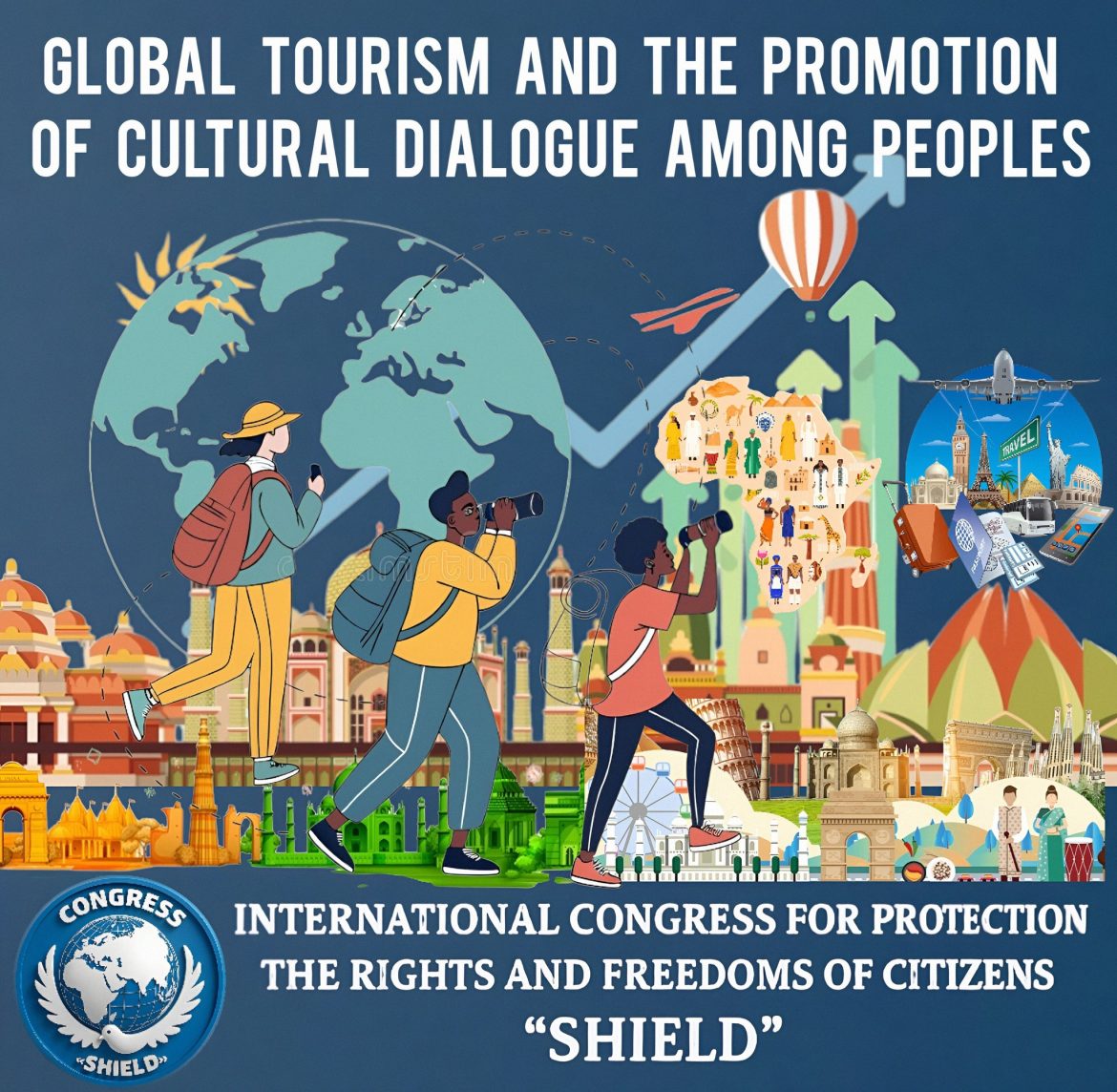
Today, tourism is more than just a recreational activity or an economic resource. It is a human and civilizational bridge connecting people and an effective tool to enhance cultural understanding, strengthen peace values, respect human rights, and promote acceptance of others. From this perspective, the International Congress SHIELD believes that conscious and responsible tourism represents one of the most important humanitarian pathways to achieve civilizational rapprochement, combat intolerance, eliminate racism and hate speech, and promote a culture of coexistence among nations.
Tourism as a Human and Cultural Right
The Universal Declaration of Human Rights recognises every person’s right to freedom of movement, learning about other cultures, and participating in cultural life. Tourism is a practical expression of this right, allowing individuals to move beyond narrow geographic boundaries to broader human horizons, where they can explore the history, lifestyles, values, and heritage of different peoples.
When tourism is practised with respect for human dignity and the rights of local communities, it helps break stereotypes, reduce prejudices, and create real human dialogue based on mutual respect.
Civilizational Rapprochement and Combating Racism and Hate Speech
In a world witnessing rising conflicts, extremism, racism, and hate speech, cultural tourism becomes a soft humanitarian tool to confront these challenges. Direct interaction between people creates a genuine understanding that goes beyond biased media narratives or inflammatory political rhetoric.
When tourists visit another country, interact with its people, and learn about their traditions, they realise that shared human values—such as dignity, respect, justice, and love for life—transcend differences in religion, language, and skin colour. Tourism thus becomes an effective means of combating racism and rejecting hatred while fostering tolerance and appreciating diversity as a source of human richness, not conflict.
Tourism, Sustainable Development, and Local Community Rights
The International Congress SHIELD emphasises that fair and sustainable tourism must be based on respecting the rights of local communities, protecting cultural and natural heritage, and ensuring fair economic benefits. Tourism cannot be humane if it leads to human exploitation, cultural distortion, or environmental harm.
When responsibly managed, tourism can:
Create decent employment opportunities
Empower women and youth
Support the preservation of heritage sites
Encourage communities to value their cultural identity
Tourism as a Tool for Education and Awareness
The benefits of tourism go beyond economics, extending to educational and awareness roles. Cultural and educational tourism promotes values of tolerance, diversity, and respect for differences, especially among youth, and enhances awareness of human rights and global citizenship.
Through exchange programs, cultural festivals, and heritage visits, tourists transform from mere visitors into “humanitarian ambassadors,” conveying an authentic image of the people they visit and helping to correct misconceptions and combat stereotypes and racism.
A Shared Moral Responsibility
Enhancing the role of tourism in civilizational rapprochement and combating hate requires a shared responsibility among:
Governments and policymakers
Tourism institutions
Civil society organisations
Media outlets
The International Congress SHIELD calls for tourism policies based on:
Respect for human rights
Protection of cultural heritage
Promotion of ethical tourism
Combating all forms of discrimination, racism, and exploitation
Tourism is not a luxury; it is a global humanitarian message. It is a language of peace spoken by people without translation and a civilizational bridge that transcends conflicts and borders. The International Congress SHIELD affirms that investing in conscious tourism is investing in peace, human dignity, and societies free of racism and hatred, built on understanding rather than confrontation, and on acquaintance rather than exclusion.
When tourism is practised responsibly, it brings hearts closer before borders and builds humanity before places.
Issued by:
Media and International Relations Department – International Congress SHIELD

The disappearance of children is one of the most serious violations facing humanity in the modern era, as it directly targets the most vulnerable and innocent members of society. In conflict zones, areas of extreme poverty, and along unsafe migration routes, children become victims of transnational criminal networks that engage in multiple forms of exploitation, ranging from human trafficking to organ trafficking.
Children do not always disappear in broad daylight or in front of cameras; more often, they vanish in silence—leaving no trace behind—while their families are trapped in an endless cycle of pain, waiting, and fear. This phenomenon becomes even more dangerous when linked to organized criminal networks that exploit weak oversight, fragile legal systems, and armed conflicts to recruit, sell, or traffic children and their bodies.
Who Is Responsible, and Why Do These Crimes Persist?
Responsibility lies at multiple levels:
States: for protecting children, enforcing laws, and holding perpetrators accountable.
Transnational criminal networks: which treat children as commodities, exploiting systemic weaknesses and committing crimes against humanity.
The international community and monitoring bodies: for fulfilling their responsibilities in supporting investigations and ensuring international accountability.
The lack of oversight, inadequate investigations, and failure to prosecute perpetrators leave children vulnerable and exposed to these heinous crimes.
The Absence of Media Coverage
One of the greatest obstacles to protecting children is the lack of free, professional, and independent media coverage exposing these crimes. Media attention plays a crucial role in pressuring governments and the international community to hold perpetrators accountable and dismantle transnational trafficking networks.
Humanitarian Impact
The consequences of these crimes extend far beyond the victims themselves. They undermine public trust in justice systems, inflict deep psychological trauma on families, and expose a global failure to protect childhood. The transnational nature of these crimes further complicates accountability, making genuine international cooperation essential to prevent them and punish those responsible.
The Role of the International Congress SHIELD in Protecting Children and Raising Awareness
International Congress SHIELD firmly believes that protecting children is an urgent global humanitarian responsibility. The organization works to:
Document cases of child disappearances and transnational crimes.
Raise human rights awareness and engage the international community and media in pressuring perpetrators.
Provide legal and psychological support to victims and their families.
Advocate for the prosecution of child traffickers and international criminal networks as perpetrators of crimes against humanity.
International Congress SHIELD emphasizes that saving one child is saving all of humanity, and that holding every perpetrator accountable is a moral and legal obligation that cannot be delayed.
Children are not numbers. Childhood is a right, its protection is a humanitarian duty, and violating it constitutes a crime against humanity. Who will be held accountable for these violations?
Issued by:
Media and International Relations Department
International Congress SHIELD

Leadership in times of crises and emergencies is a true measure of human conscience and moral responsibility. It is not tested during periods of comfort and stability, but rather revealed when people and societies face their most difficult challenges — from wars and disasters to humanitarian and health crises. In such moments, true leadership emerges: leadership that places the human being at the center of decision-making and addresses crises with wise judgment and compassionate hearts.
Leadership in Crises: Between Management and Ethical Responsibility
Crisis leadership is not limited to rapid decision-making or effective organization alone. It is founded on clear vision, transparent communication, and the courage to confront reality, alongside a deep commitment to protecting human life and preserving human dignity.
An effective leader listens to the voices of those affected, balances humanitarian realities with security requirements, and prioritizes the public interest above any personal or political considerations.
History has shown that societies do not only remember the crises they endured, but how their leaders acted during them — how they spoke to people, how they preserved hope, and how they upheld human dignity despite hardship and loss.
Humanitarian Leadership: The Foundation of Protection and Dignity
Effective leadership during crises is a natural extension of the principles of the right to life, dignity, and safety affirmed by international humanitarian law. A humanitarian leader does not view leadership as power, but as a trust, with the foremost responsibility being the protection of human life as the supreme value in every policy and decision.
Leadership is not merely the management of events, but a noble human act that embodies compassion and solidarity, restoring trust between citizens and institutions, and between human beings themselves.
International Congress Shield: A Call to Learn the Art of Humanitarian Leadership
The International Congress Shield calls upon institutions, leaders, and communities worldwide to adopt a culture of humanitarian leadership and continuous learning in crisis and emergency management through specialized programs and initiatives aimed at:
- Developing flexible leadership skills grounded in empathy and responsibility.
- Strengthening the ability to make swift decisions guided by humanitarian values.
- Empowering youth and women to assume leadership roles in humanitarian and relief work.
- Promoting a “People First” approach in crisis planning and response.
- Building effective partnerships between governments and humanitarian organizations to unify relief efforts.
The organization emphasizes that leadership is not a privilege or authority, but an ethical and humanitarian commitment that requires sincerity, active listening, and a firm belief that protecting human life is the highest standard guiding all decisions.
Humanity First: The Message of the International Congress Shield
The International Congress Shield believes that even the harshest crises can become opportunities to rediscover the true meaning of humanitarian leadership.
When leadership is rooted in compassion and responsibility, disaster becomes a lesson in solidarity, crisis a starting point for reform, and emergencies a testament to commitment to humanitarian duty.
True leadership is not measured by power or position, but by the leader’s ability to place humanity first — before politics, before interests, and before anything else.
Contact: congress@icprfc-shield.org
Issued by:
Department of Media and International Relations
INTERNATIONAL CONGRESS SHIELD
Education and Awareness: The Foundation of Development and Progress
INTERNATIONAL CONGRESS SHIELD
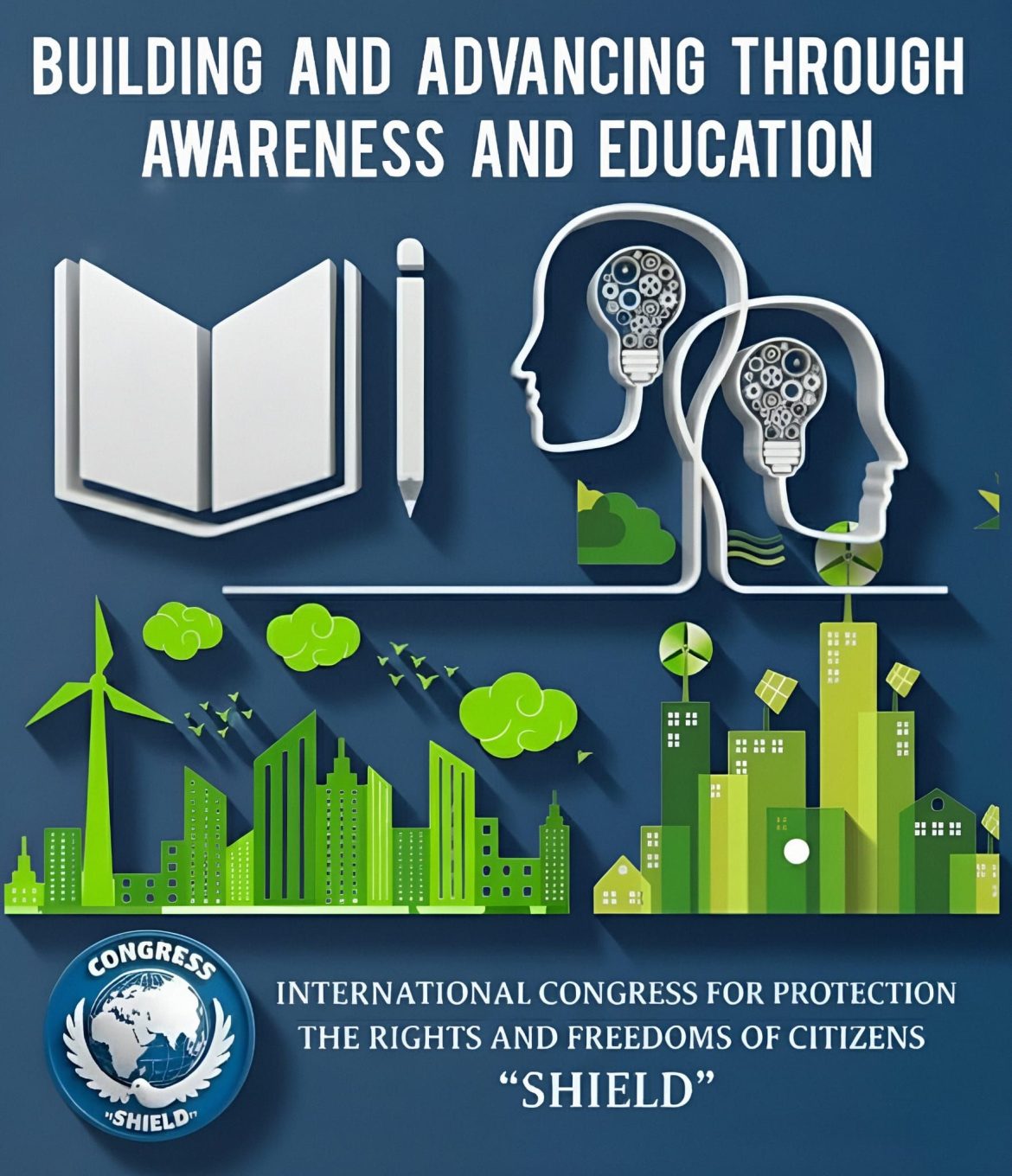
Education and awareness are two fundamental pillars in the process of building and advancing societies. No nation can progress without an educated and aware individual—one who understands their rights and duties, recognizes the value of knowledge, and is capable of utilizing it in service of themselves, their community, and humanity as a whole. From this perspective, the International Congress Shield affirms that education is not merely a human right but a tool for liberation, development, and peace.
The right to education is guaranteed under international human rights instruments and serves as the natural gateway to strengthening human dignity, achieving social justice, and reducing poverty and marginalization. Quality and equitable education expands opportunities, enhances civic participation, fosters a sense of responsibility, and reinforces the values of tolerance and respect for others.
The role of education cannot be fulfilled without awareness. Human rights and humanitarian awareness protect individuals from violations, empower them to claim their rights through peaceful and lawful means, and contribute to building a culture of dialogue while rejecting violence and extremism. Educational awareness also strengthens critical thinking and enhances the ability to distinguish between reliable knowledge and misinformation, forming the first line of defense against hate speech and rumors.
The International Congress Shield firmly believes that investing in education and awareness is an investment in human security and sustainable development. Educated and aware societies are more resilient in the face of crises, better prepared to participate in decision-making, and more committed to the principles of human rights and the rule of law.
In this context, the organization calls for joint efforts among educational institutions, civil society organizations, governmental bodies, and the media to promote a comprehensive culture of education and awareness—one that considers the most vulnerable groups and ensures that no one is left behind, with particular emphasis on the education of girls, persons with disabilities, and those affected by conflict.
Education and awareness are not luxuries; they are urgent human and rights-based necessities. Only through them can we build free and conscious individuals, establish a just society, and move steadily toward a future characterized by peace and progress—an objective at the heart of the humanitarian and educational mission of the International Congress Shield.
Issued by:
Department of Media and International Relations
INTERNATIONAL CONGRESS SHIELD

Hate speech represents one of the most serious challenges facing contemporary societies, as it poses a direct threat to social peace and to the system of fundamental rights and freedoms. When individuals are targeted because of their race, religion, origin, or culture, hatred shifts from mere words into a destructive tool that fuels violence, legitimises discrimination, and undermines the foundations of human coexistence.
Confronting hate speech is not merely a moral choice, but a legal and humanitarian obligation that cannot be postponed. Silence in the face of incitement and exclusion opens the door to grave human rights violations, erodes trust within societies, and weakens the values of justice and equality that form the core of any healthy democratic society.
“Protecting human dignity is a shared responsibility, and true freedom can only be achieved through respect for the rights of all, without exception.”
The Role of the International Congress Shield in Combating Racism and Hate Speech
The International Congress Shield plays a vital and active role in combating racism, racial discrimination, and xenophobia through a comprehensive approach that combines human rights monitoring, community awareness, and legal advocacy. The organisation works to document violations related to hate speech, defend its victims, and cooperate with partners and relevant institutions to strengthen legislative frameworks that criminalise incitement to hatred and ensure the protection of vulnerable groups.
The organisation also strives to promote a culture of dialogue and tolerance, and to encourage positive discourse based on respect for diversity and difference, firmly believing that combating hatred begins with raising awareness and building bridges of trust among all components of society.
Confronting hate speech is a collective responsibility that requires the combined efforts of official institutions, civil society organisations, the media, and individuals. Through such cooperation, a human shield can be built to protect shared values and ensure that justice and equality prevail over intolerance and division.
The world we aspire to is one in which human dignity is safeguarded, differences are respected, and the voices of reason and compassion rise above all forms of exclusion and hatred.
Issued by:
Department of Media and International Relations
International Congress Shield

Diplomacy in our contemporary world forms the cornerstone for managing international relations, preserving peace and security, and promoting respect for international law and human rights. Diplomacy is no longer merely a traditional political practice; it has become both a science and an art based on constructive dialogue, responsible negotiation, trust-building, and respect for human dignity—especially amid escalating conflicts and complex humanitarian crises.
Modern diplomacy is founded on a fundamental principle: no matter how intense disagreements may be, they can be managed and addressed through peaceful means grounded in mutual understanding and shared responsibility. Dialogue is considered the most effective method to bring differing perspectives closer, while negotiation provides the legitimate legal framework for reaching balanced and sustainable solutions, preventing conflicts from spiralling into open confrontations with high human costs.
Dialogue: A Human Right and a Diplomatic Tool
Dialogue is one of the fundamental human rights and a core principle of contemporary international law, ensuring freedom of expression, pluralism, and participation in decision-making. International charters have emphasized the priority of peaceful conflict resolution as the best means to protect human dignity and prevent violations.
Dialogue is not limited to political elites or official leaders; it is a shared responsibility and right for all members of society. Building a culture of dialogue reflects the level of development of both individuals and communities and contributes to creating spaces for understanding even in the most complex contexts.
Negotiation, Crisis Management, and Awareness Building: The Preventive Dimension of Diplomacy
Negotiation represents the backbone of crisis management in diplomatic work. It requires a deep understanding of the political, legal, and humanitarian dimensions of conflicts, along with a balanced ability to reconcile legitimate interests with international obligations. Effective negotiation is a central tool to contain crises, prevent their escalation, reduce losses and human suffering, and protect civilians in accordance with international humanitarian law, ultimately achieving fair and sustainable settlements based on trust between disputing parties.
In this context, negotiation complements the preventive role of diplomacy by fostering awareness and promoting a culture of dialogue. Societal awareness is a key element in preventing conflicts, countering hate speech, and promoting respect for human rights and the rule of law, contributing to long-term peace and stability.
Diplomacy is not limited to addressing crises after they occur; it also encompasses a preventive role through awareness-building and promoting a culture of dialogue and tolerance. Societal awareness is a fundamental component in supporting peace, confronting hate speech, and enhancing respect for human rights and the rule of law.
The International Shield Organisation emphasises that building rights-based and diplomatic awareness is a collective responsibility, requiring effective partnerships among international institutions, civil society, media outlets, and educational institutions to embed the values of dialogue and peace in societies.
Vision of the International Shield Organisation
The International Shield Organisation is guided by a firm belief that humanitarian diplomacy represents the most effective framework for addressing contemporary challenges. It is diplomacy rooted in dialogue, conducted through negotiation, and oriented toward the protection of human beings and their dignity, as this forms the true foundation for achieving sustainable peace and stability.
The art of dialogue and negotiation is not merely a political tool but a civilizational and legal approach reflecting the international community’s commitment to principles of justice and humanity. Through conscious and responsible diplomacy, crises can be managed, awareness can be built, and a fairer and more balanced future can be shaped.
Issued by: Media and International Relations Department – International Shield Organisation
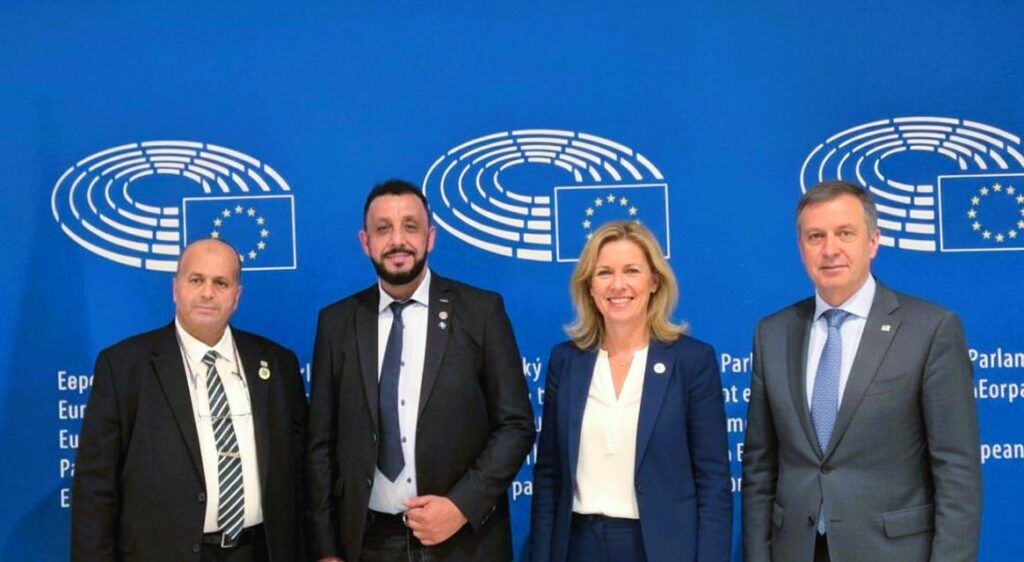
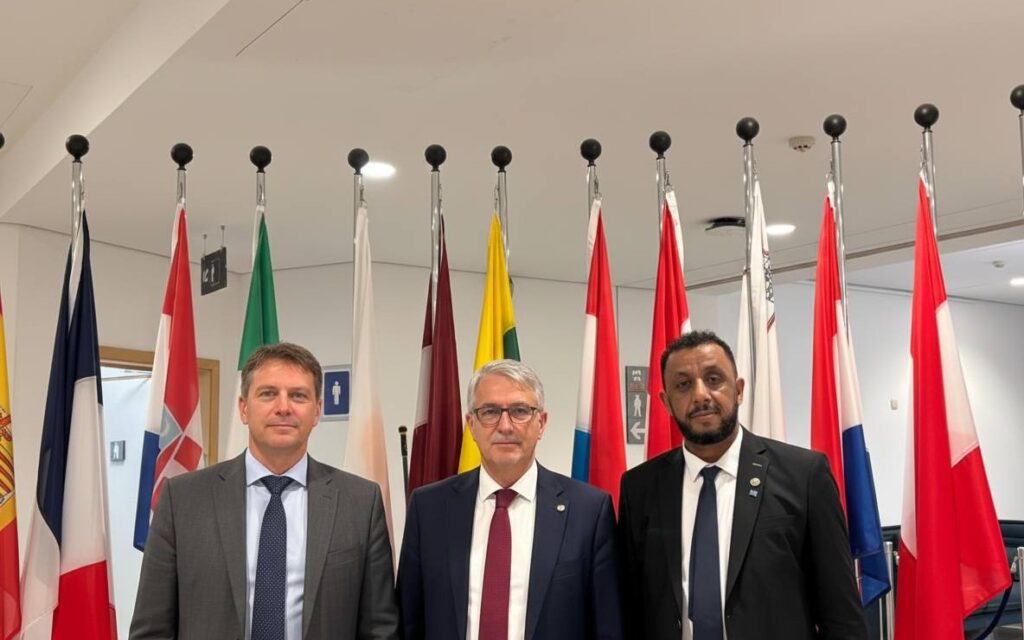
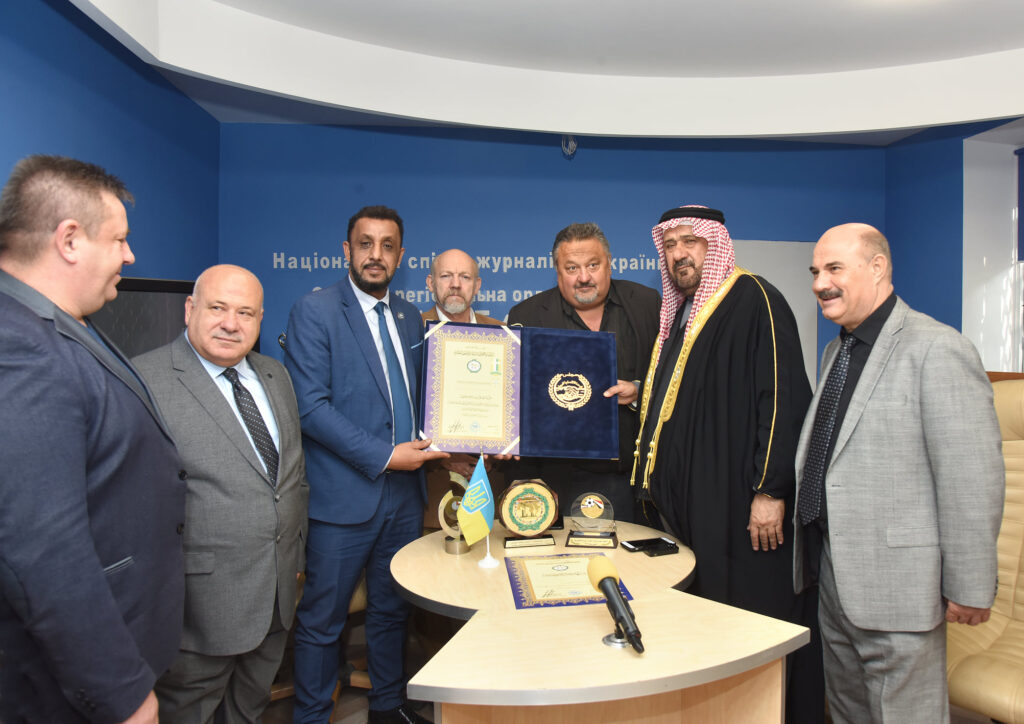
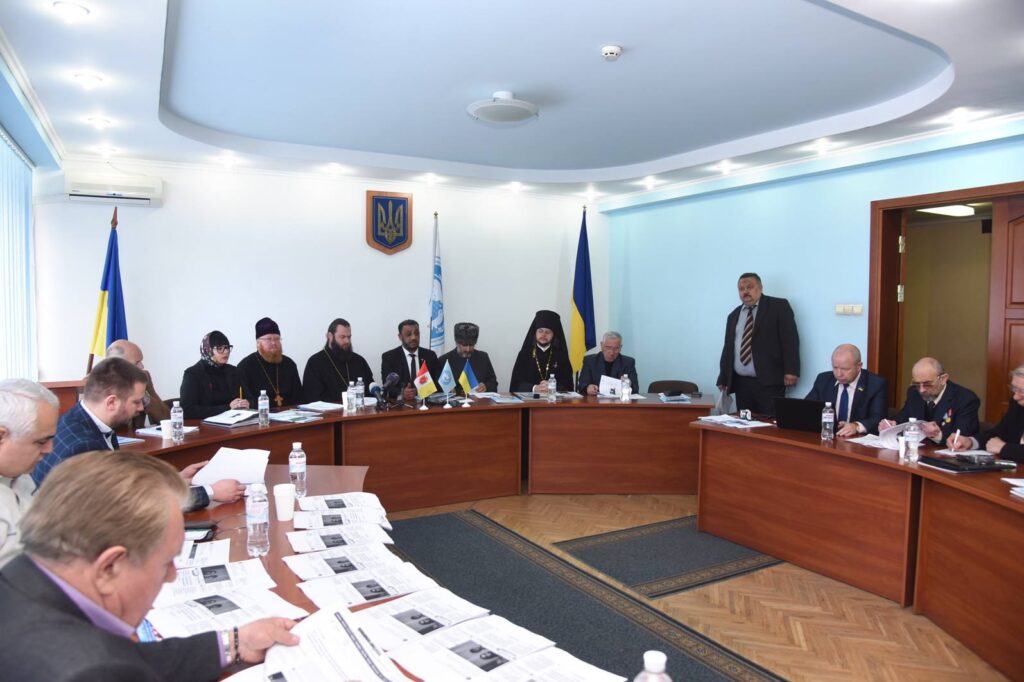
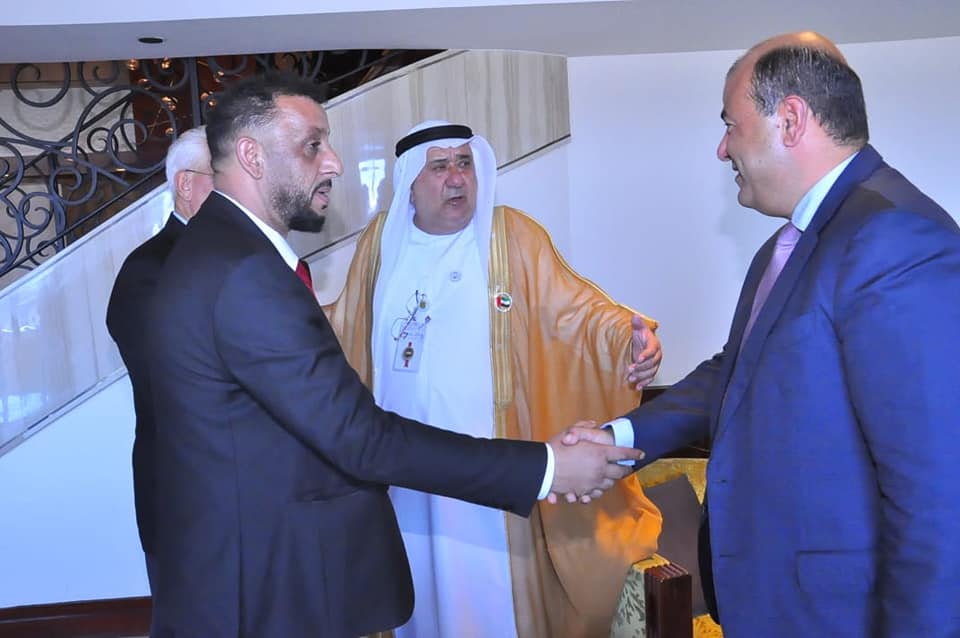

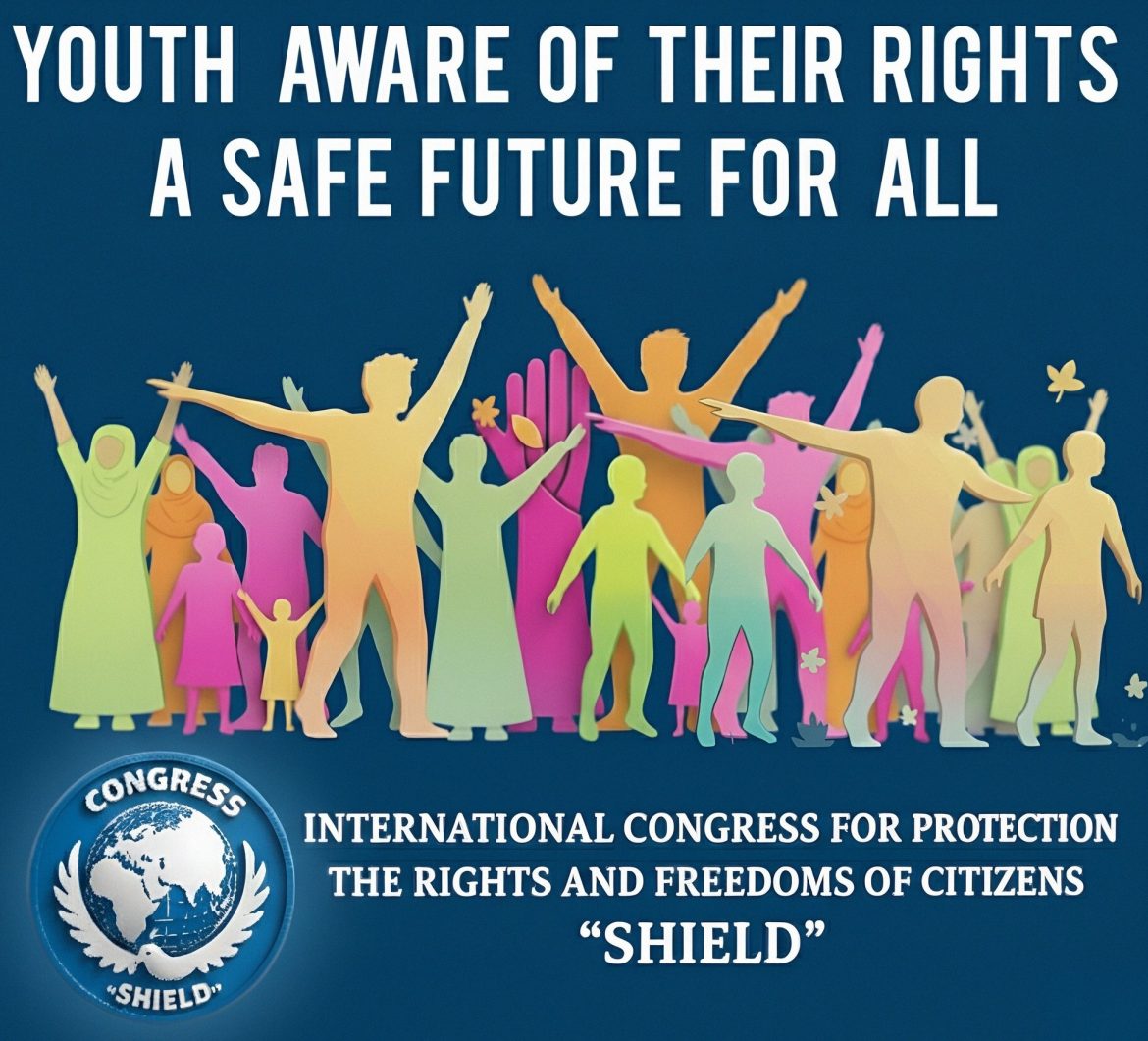
International Congress SHIELD has issued a clear and direct message to young people everywhere:
The time has come to embrace your real role in protecting your rights, safeguarding your communities, and building a future capable of facing today’s challenges.
Young people are the driving force of change—defenders of human dignity, justice, and the fight against all forms of violations, ignorance, misinformation, deviation, and extremism.
The world is changing rapidly, and those who lack awareness, knowledge, and values will become victims of these changes rather than participants in shaping them.
- Awareness and Education: The Foundation of Human Rights Protection
Education is the right upon which all other rights are built.
It is the tool that shields youth from ignorance, exploitation, manipulation, and discrimination.
SHIELD International urges young people to embrace learning, develop skills, and constantly seek knowledge, as it is the true foundation of freedom, independence, and meaningful participation in public life.
- Building a Strong State and a Cohesive Society That Respects Human Dignity
A just state begins with a responsible and aware citizen.
Respect for the law, contributing to development, protecting the environment, supporting the local economy, and preserving the land are essential responsibilities that help build a stable society where the rights and dignity of all individuals are protected.
Youth are the backbone of national progress, and their role is no less important than that of institutions.
Peaceful Coexistence and Respect for Cultures and Beliefs
SHIELD International stresses the importance of strengthening peaceful coexistence among all segments of society.
Cultural and religious diversity is not a threat—it is a human treasure.
Respecting beliefs, accepting differences, and protecting the freedom of others to think and live freely are foundations for stability and civil peace.
A society ruled by hate speech cannot progress, and a nation divided by discrimination cannot rise.
The organization calls on youth to:
Reject extremism and intolerance
Respect cultural and religious diversity
Promote dialogue
Support justice and tolerance
Build social relationships based on mutual respect
Peaceful coexistence is a daily practice that strengthens social unity, enhances security, and paves the way for a shared, strong, and stable future.
- Combating Drugs and Deviance: Protecting Life and Dignity
Drugs are not just a violation—they are a crime against the body, mind, and future.
SHIELD International calls for raising awareness, psychological support, and healthy alternatives to protect youth from this dangerous path.
- The Family: The First Shield of Society
The family is the first school of values.
It teaches respect, belonging, and responsibility.
SHIELD International emphasizes strengthening family bonds, supporting parents and siblings, and building strong families capable of raising a stable and responsible generation.
- Irregular Migration: A Threat to Life and Human Dignity
Irregular migration is not a solution—it is a path filled with danger, exploitation, and human trafficking.
The organization urges youth to seek opportunities within their homelands, contribute to local development, and pursue safe and legal alternatives when necessary.
A human life must never be risked on a fragile boat.
- Countering Misinformation: Protecting Minds from the Hidden War
Misinformation is one of the most destructive tools used to destabilize societies.
Fake messages, manipulated content, sectarian incitement, rumors, and psychological warfare target youth first.
SHIELD International urges:
Verifying information
Avoiding the spread of rumors
Supporting responsible journalism
Upholding truth as a tool for defending society
- Digital Security: Protecting Privacy and Personal Rights
In today’s digital world, privacy has become an essential human right.
The organization warns youth against:
Cyber extortion
Identity theft
Suspicious online relationships
Data theft
Sharing private images
Digital safety begins with awareness—not with applications.
- Mental and Physical Health: A Right and a Responsibility
Mental health is not a weakness—it is the foundation of stability, productivity, and creativity.
SHIELD International encourages youth to:
Exercise regularly
Sleep properly
Eat healthy food
Seek help when needed
Avoid toxic pressures
Healthy youth build a strong nation.
- Innovation and Entrepreneurship: Creating Opportunities
This is the age of opportunities and creative minds.
Youth are encouraged to develop their own projects, learn technology, and engage in entrepreneurship.
The future is not given—it is created.
- Environmental Protection: A Human and Ethical Duty
Natural resources belong to all generations.
The organization calls for participation in reforestation, reducing pollution, recycling, and protecting natural environments.
- Combating Extremism: A National and Human Duty
Extremism is a crime against humanity.
The organization urges the promotion of tolerance, acceptance of others, national unity, and dismantling hate speech.
Protecting minds is everyone’s responsibility.
- Youth and Peacebuilding
The world encourages youth participation in:
National dialogue
Peacebuilding
Social reconciliation
Promoting civil peace
Supporting vulnerable groups
Youth are the most capable of breaking cycles of hatred and building trust.
- Volunteering and Social Responsibility
Volunteering builds human beings before it builds societies.
The organization calls on youth to join initiatives supporting the elderly, children, environmental protection, humanitarian relief, and community education.
- Rule of Law and Integrity: The Foundation of a Strong State
The rule of law guarantees human rights.
SHIELD International encourages youth to fight corruption, reject favoritism, support transparency, and help build fair institutions that protect everyone.
Message from SHIELD International to the Youth
Young people, you are the greatest force on this earth.
You are the energy of change, the fuel of progress, the pillars of peace, the shield of society, and the voice of humanity.
SHIELD International believes in you, supports you, and considers you essential partners in building a just and strong future that respects human dignity and protects rights.
The future begins with your awareness… grows with your efforts… and thrives with your values.
And you are capable.
Together toward steadfast awareness, a strong society, a just state, and effective humanity.
Issued by:
Media and International Relations Department – International Congress SHIELD
Newer Posts